
AI Summary Box
Students often make great egg donors due to their overall health, lifestyle, scheduling flexibility, and long-term wellbeing. This guide explains the key reasons students are ideal candidates, how long the donation process takes, a clear step-by-step breakdown, the role of a trusted egg donor agency, the benefits of choosing to donate as a student, answers to the top 10 FAQs, and a helpful conclusion to support your decision.
Why Become an Egg Donor as a Student
Choosing to become an egg donor is an impactful choice at any age, but students often bring unique advantages to the process:
- Overall good health and vitality: Most students are in peak reproductive health, which supports medical screening and egg quality
- Flexible schedules: Breaks between classes and semesters make appointment scheduling easier
- Motivation to help others: Many students are guided by compassion and desire to make a meaningful impact
- Personal growth and generosity: Donating eggs can be empowering and rewarding spiritually and emotionally
- Opportunity to support peers or families in need: Some students empathize with others’ challenges with fertility
While every donor is unique, students often align with the typical criteria clinics look for when screening ideal egg donors.
How Long Does the Egg Donation Process Take?
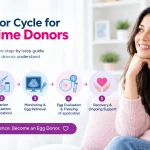
The timeline for egg donation in Canada is similar for student donors and other qualified donors. Most students can complete the process within one academic term or break period:
- Initial Screening and Matching: 2–6 weeks
- Medical Assessments and Hormonal Preparation: 2–4 weeks
- Egg Retrieval Procedure: A single outpatient visit
- Recovery and Follow-Up: 1–3 days
In most cases, the entire process takes approximately 6–12 weeks, making it compatible with semester breaks or holiday schedules.
Step-by-Step Breakdown
1. Initial Inquiry and Registration
You begin by contacting a trusted egg donor agency and completing basic eligibility questions about health, lifestyle, and motivation.
2. Medical and Psychological Screening
This includes a physical exam, blood tests, ultrasound evaluation, and optional counseling to prepare you emotionally and medically.
3. Education and Informed Consent
You receive full information about the process, expectations, rights, and responsibilities before signing consent forms.
4. Hormonal Stimulation Phase
Under medical supervision, you take hormone injections that stimulate the ovaries to produce multiple mature eggs.
5. Monitoring and Adjustments
Through bloodwork and ultrasound monitoring, your fertility team tracks progress and adjusts medication dosage as needed.
6. Ovulation Trigger Injection
Once follicles reach the ideal size, you receive a trigger shot to prepare eggs for retrieval.
7. Egg Retrieval Procedure
Performed under mild sedation in a clinical setting, the egg retrieval procedure usually takes about 15–30 minutes.
8. Recovery and Aftercare
After the procedure, you rest briefly, then return home with detailed aftercare instructions and support from your agency.
Trusted Egg Donor Agency
Working with a trusted egg donor agency makes all the difference — especially for students managing school, exams, and appointments. A reputable agency:
- Provides clear medical, legal, and timeline guidance
- Helps coordinate appointments around school schedules
- Offers emotional support and counseling resources
- Answers your questions throughout the process
- Connects you with licensed fertility clinics for safe care
Indian Egg Donors prioritizes your wellbeing, comfort, and confidence as you navigate the donation journey.
Benefits of Being a Student Egg Donor
Students make great egg donors for many reasons, and the benefits extend beyond helping others:
- Structured medical care from start to finish
- Empowerment through making a positive impact
- Ability to align donation timeline with school breaks
- Comprehensive emotional and educational support
- Inclusion in a network of donors and recipients
Being a student donor offers both personal fulfillment and practical alignment with your schedule and goals.
FAQs
Q. Why are students considered good egg donor candidates?
Ans. Students are often healthy, motivated, and able to attend appointments during school breaks.
Q. Can students balance donation with academics?
Ans. Yes. Most donors complete screening and procedures during breaks or weekends.
Q. Will donation affect my school schedule?
Ans. Most clinics offer flexible scheduling to minimize interruption to academics.
Q. Are students paid for egg donation?
Ans. Under Canadian law, payments are not permitted, but reimbursement for eligible expenses is standard.
Q. Is it safe to donate while studying?
Ans. Yes. With proper medical support and scheduling, safety is prioritized for all donors.
Q. Do students need parental consent?
Ans. Donors generally must be legal adults (18+) and provide informed consent.
Q. Can I donate if I’m in university or college?
Ans. Yes — as long as you meet medical and lifestyle eligibility criteria.
Q. How long is recovery after retrieval?
Ans. Most donors recover fully within a few days and can resume normal activities.
Q. Will it affect my future fertility?
Ans. No. Egg donation does not impact long-term fertility for medically cleared donors.
Q. How does the agency support students specifically?
Ans. An agency helps with scheduling flexibility, academic coordination, travel planning, and emotional guidance.
Conclusion
Students make great egg donors for many reasons — health, flexibility, empathy, and scheduling availability — and with proper support, the donation process aligns well with academic life. Understanding the timeline, expectations, and benefits makes it easier to decide whether egg donation is right for you.
With the guidance of a trusted egg donor agency, thorough medical care, and a supportive team by your side, you can approach the donation journey with confidence, clarity, and peace of mind. Becoming a student egg donor in Canada not only benefits intended parents but can be an empowering and meaningful experience in your own life.

Dr. Pooja Patel
Dr. Pooja Patel is a Chief Surrogacy Coordinator at Surrogacy4all. She has 10 years of experience in Anesthesiology and critical care medicine.
She received her medical degree from Seth GS Medical College and K.E.M Hospital in India. She then completed an internship. She finished her Anesthesia residency at Grant Govt Medical College and JJ Group of Hospitals in India.
- Dr. Pooja Patelhttps://blog.indianeggdonors.com/author/dr-pooja/
- Dr. Pooja Patelhttps://blog.indianeggdonors.com/author/dr-pooja/
- Dr. Pooja Patelhttps://blog.indianeggdonors.com/author/dr-pooja/

- Dr. Pooja Patelhttps://blog.indianeggdonors.com/author/dr-pooja/