AI Summary Box
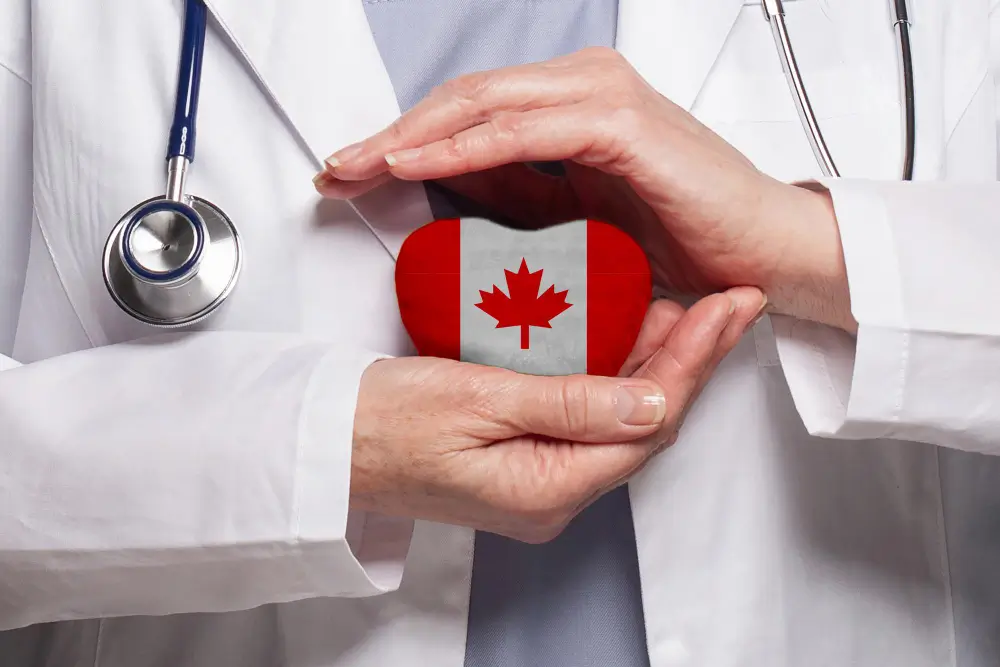
OHSS (Ovarian Hyperstimulation Syndrome) is a rare but known risk during fertility treatment. Canadian clinics follow strict protocols to protect egg donors from OHSS through careful monitoring, personalized hormonal dosing, and medical safeguards. This guide explains why becoming an egg donor in Canada remains safe, how Canadian clinics prevent OHSS, how long safety monitoring takes, a step-by-step breakdown, the role of a trusted egg donor agency, the benefits of these protections, the top 10 FAQs, and a reassuring conclusion.
Why Become an Egg Donor in Canada
Becoming an egg donor is a meaningful and generous decision. In addition to helping intended parents build families, donors receive:
- High-quality medical care and monitoring
- Comprehensive safety practices, including OHSS prevention
- Emotional and educational support
- Reimbursement for eligible expenses
- Personal fulfillment and empowerment
Canada’s medical standards prioritize donor safety. Educating yourself about risks — including how clinics protect against OHSS — ensures you can make an informed choice with confidence.
How Long Does the Safety Monitoring Take?
Canadian clinics monitor donors closely throughout the donation cycle, especially during hormone stimulation when OHSS risk is relevant.
Typical timeline for safety monitoring:
- Initial Screening & Health Assessment: 1–3 weeks
- Hormonal Stimulation & Monitoring: 8–14 days
- Pre-Retrieval Evaluation: Ongoing until trigger injection
- Post-Retrieval Follow-Up: 1–3 days after procedure
Overall, safety monitoring is built into every stage of the process, ensuring donor health remains the top priority.
Step-by-Step Breakdown: How Canadian Clinics Protect Against OHSS
1. Comprehensive Initial Screening
Clinics evaluate your health history, ovarian reserve, BMI, and risk factors before starting stimulation. Those at higher OHSS risk may receive special protocols.
2. Personalized Hormone Protocol
Instead of a one-size-fits-all approach, hormonal stimulation medications and dosages are tailored to your body’s needs to minimize risk.
3. Regular Monitoring Visits
Frequent ultrasounds and blood tests track follicle growth and estrogen levels. This helps clinics adjust medication before OHSS can develop.
4. Adjusting Medication Plans
If your response suggests a higher risk of OHSS, your doctor may reduce medication dosage or alter the protocol to keep you safe.
5. Trigger Shot Selection
Clinics carefully choose the right trigger medication and timing — sometimes using alternatives that lower OHSS risk while still maturing eggs for retrieval.
6. Hydration & Supportive Care Guidelines
Donors receive instructions on hydration, diet, and self-care to support overall wellbeing during stimulation.
7. Emergency Response Plan
Clinics provide clear guidance on recognizing OHSS symptoms and prompt access to medical support if needed.
8. Post-Procedure Monitoring
After retrieval, follow-up evaluations ensure that any mild symptoms are managed and that full recovery is underway.
Trusted Egg Donor Agency
Working with a trusted egg donor agency enhances your experience and safety throughout the process. An experienced agency:
- Educates you about OHSS and other medical considerations
- Coordinates appointments with licensed, reputable Canadian clinics
- Helps you understand risk factors and personal health screening
- Provides emotional support and guidance throughout your journey
- Ensures your medical team follows best-practice OHSS prevention
Indian Egg Donors prioritizes your wellbeing and aligns you with clinics that uphold the highest safety standards.
Benefits of OHSS Prevention Measures
Canada’s approach to protecting donors from OHSS offers significant benefits:
- Reduced risk of moderate or severe OHSS
- Personalized care tailored to your body’s response
- Confidence in medical oversight throughout stimulation
- Early identification and prevention of emerging symptoms
- Peace of mind knowing emergency support is available
These protective measures ensure your safety remains central from the first screening to follow-up care.
FAQs
Q. What is OHSS?
Ans. OHSS (Ovarian Hyperstimulation Syndrome) occurs when the ovaries react strongly to fertility hormones, causing fluid shifts and swelling.
Q. How common is OHSS in egg donors?
Ans. In egg donation, OHSS is rare due to careful monitoring and tailored protocols used by Canadian clinics.
Q. How do clinics screen for OHSS risk?
Ans. Clinics evaluate medical history, ovarian reserve, hormone levels, and other health factors during initial screening.
Q. What precautions are taken to prevent OHSS?
Ans. Personalized hormone dosing, frequent monitoring, trigger shot adjustments, hydration guidance, and emergency planning are key measures.
Q. Can OHSS occur after retrieval?
Ans. Mild symptoms can appear after retrieval, so clinics provide follow-up guidance and monitoring.
Q. What are OHSS symptoms?
Ans. Symptoms may include bloating, nausea, shortness of breath, abdominal pain, and rapid weight gain.
Q. Should I contact the clinic if I notice symptoms?
Ans. Yes. Clinics provide emergency contact instructions for any concerning symptoms.
Q. Does a trusted agency help with medical questions?
Ans. Agencies help clarify medical information and ensure your questions are addressed by specialists.
Q. Does OHSS affect future fertility?
Ans. Severe OHSS is rare, and with prevention measures, long-term fertility is not impacted.
Q. Is it safer to donate in Canada?
Ans. Canadian clinics follow strict safety standards and OHSS- prevention protocols, making donation safe and well supported.
Conclusion
Understanding how Canadian clinics protect against OHSS helps you approach egg donation with clarity and confidence. Through personalized hormone protocols, frequent monitoring, tailored trigger strategies, and a strong emergency support network, clinics ensure that donor safety is prioritized every step of the way.
As you consider becoming an egg donor in Canada, knowing that these medical safeguards exist — and that your trusted egg donor agency supports you throughout — brings peace of mind and confidence in your decision.
With evidence-based safety practices, compassionate care, and professional oversight, your egg donation journey is designed to be as secure, healthy, and positive as possible.

Dr. Pooja Patel
Dr. Pooja Patel is a Chief Surrogacy Coordinator at Surrogacy4all. She has 10 years of experience in Anesthesiology and critical care medicine.
She received her medical degree from Seth GS Medical College and K.E.M Hospital in India. She then completed an internship. She finished her Anesthesia residency at Grant Govt Medical College and JJ Group of Hospitals in India.
- Dr. Pooja Patelhttps://blog.indianeggdonors.com/author/dr-pooja/
- Dr. Pooja Patelhttps://blog.indianeggdonors.com/author/dr-pooja/
- Dr. Pooja Patelhttps://blog.indianeggdonors.com/author/dr-pooja/

- Dr. Pooja Patelhttps://blog.indianeggdonors.com/author/dr-pooja/