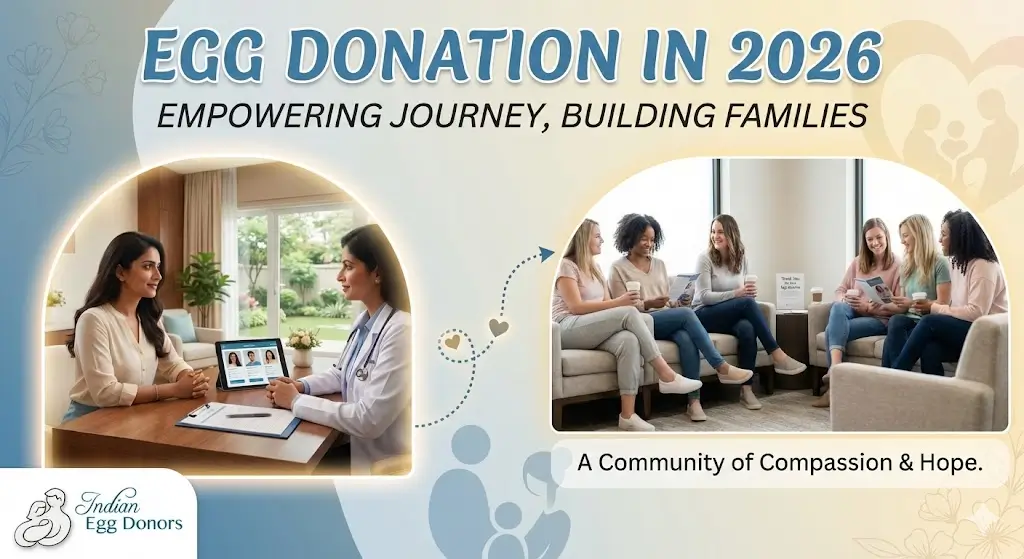
Egg donation has become an important part of modern fertility care in New York. In 2026, more individuals and couples are turning to donor programs to build families due to age, medical conditions, or genetic concerns. Today, egg donation in New York is supported by advanced reproductive medicine and experienced specialists.
If you’re new to the idea, the process may sound complicated at first. The truth is, it’s very structured, safe, and supported by medical professionals every step of the way. Across the country, egg donation in USA programs follow strict medical and ethical standards to ensure safety for everyone involved.
This guide walks you through how the process works, who can donate, what to expect, and why many women choose to become an egg donor.
What Is Egg Donation?
If you’ve ever wondered what is egg donation, it is a medical process in which a healthy woman provides her eggs to help another person conceive a child.
The donated eggs are fertilized in a laboratory using sperm (from a partner or donor) through IVF (in vitro fertilization). Once embryos develop, one is transferred into the recipient’s uterus to begin pregnancy.
Egg donors do not carry the pregnancy. They only provide the eggs, while treatment is handled by some of the best IVF clinics specializing in advanced fertility care.
Why People Choose Egg Donation
Many intended parents need donor eggs for different reasons, including:
- Age-related fertility decline
- Early menopause
- Genetic conditions
- Previous failed IVF attempts
- Same-sex male couples or single fathers
Egg donation gives them a strong chance of having a healthy baby and is now a widely accepted fertility solution.
Who Can Become an Egg Donor in New York?
Most clinics and agencies look for women who meet specific egg donor qualifications, such as:
- Being between 19 and 32 years old
- Having good physical and mental health
- Maintaining regular menstrual cycles
- Not smoking or using drugs
- Having no serious genetic disorders
Donors go through medical exams, hormone tests, psychological screening and family health reviews before being approved. This protects both the donor and the future baby.
Step-by-Step Egg Donation Process
Here’s how it usually works in 2026:
1. Application & Screening
You fill out a profile with health history, lifestyle details and personal background. Doctors then run blood tests, ultrasounds and genetic screening.
2. Matching With Intended Parents
Once approved, your profile is shared with families looking for a donor. When both sides agree, the cycle begins.
3. Hormone Injections (10–12 days)
The fertility drugs you take aid your ovaries in producing multiple eggs instead of one. Doctors closely monitor you through ultrasounds and blood tests.
4. Egg Retrieval Procedure
This is a short outpatient procedure (about 20 minutes) done under light anesthesia. The eggs are collected using a small needle guided by ultrasound.
Most donors rest the same day and return to normal activity within 1–2 days.
5. Recovery & Follow-Up
Some mild cramping or bloating is normal, but serious issues are rare. Clinics check in to make sure you’re feeling fine.
Is Egg Donation Safe?
Yes — when done under medical supervision, egg donation is considered very safe.
In 2026, fertility clinics will use advanced monitoring, lower medication risks and improved retrieval techniques.
Possible short-term side effects include:
- Bloating
- Mild pain
- Mood changes
- Fatigue
Serious complications are uncommon and closely watched for.
Do Egg Donors Get Paid?
Yes. Egg donors receive compensation for their time, effort, and commitment.
In 2026, typical compensation ranges from:
$6,000 to $12,000+ per cycle
The amount depends on:
- Experience as a donor
- Medical profile
- Demand factors
The recipient fully covers all medical costs.
Legal Protection for Donors
New York has clear legal frameworks for donor arrangements.
Before the cycle begins:
- Contracts are signed
- Parental rights go fully to the recipients
- Donors have no legal responsibility for the child
Most agencies provide legal support to protect both sides.
Emotional Side of Egg Donation
A lot of first-time donors fret about the emotional connection. In reality, many donors are happy and content having created the foundation of a family.
Common feelings donors report:
- Joy in helping others
- A sense of the purpose
- Personal development
Counseling services are often available to assist donors both before and after the procedure.
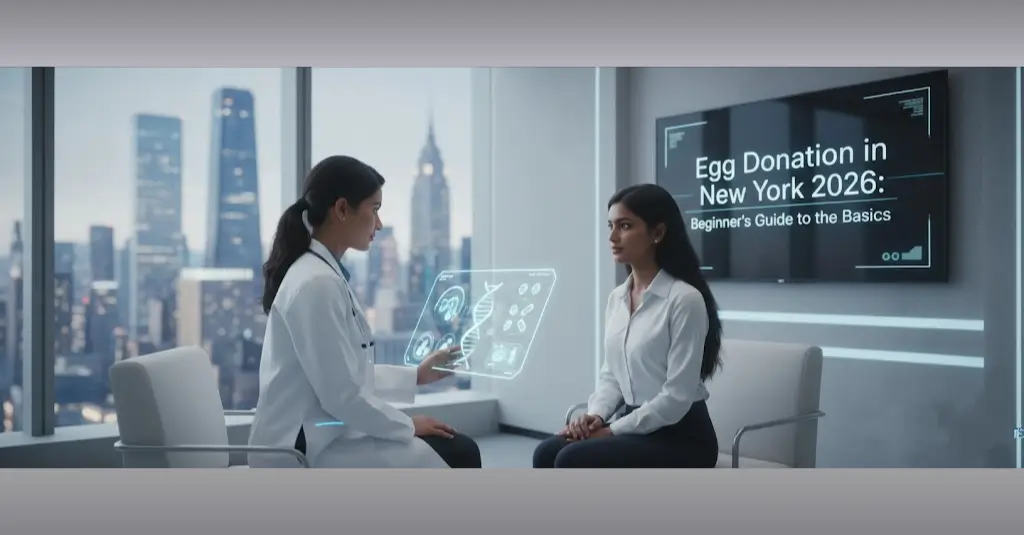
Choosing a Trusted Egg Donation Program
Working with a reputable program matters. Many families search for the best egg donor agency to ensure ethical care, transparency and proper medical oversight.
A good program offers:
- Full medical screening
- Transparent compensation
- Emotional support
- Legal protection
- Ongoing care
Programs like Indian Egg Donors guide donors through each step while coordinating with leading fertility centers. Their focus is on donor safety, ethical practices and smooth matching with intended parents. Some intended parents even compare options such as Illinois egg donation programs when evaluating nationwide choices.
Who Should Consider Egg Donation?
Egg donation can be a viable option if you:
- Do you want to assist families who are struggling with infertility
- Are in good health and meet medical guidelines
- Are you comfortable with supervision medical procedures
- Are you seeking fair compensation for doing something worthwhile
It’s a choice that is personal and one that has helped thousands of families create the life they had always dreamed of.
Final Thoughts
In 2026, the process of donating eggs is more secure, structured and more dependable than ever. With modern fertility treatment, as well as strong legal protections and compassionate agencies The process is created to protect donors and give families faith in the process.
If you’ve ever considered helping parents become parents. This is the perfect opportunity to find out more, ask questions, and look into your possibilities. Organizations like Indian Egg Donors continue to make the experience smooth and respectful for everyone involved.
Helping someone build a family is one of the most powerful gifts you can give — and for many women, the journey becomes a life-changing experience.
Ready to Learn More About Egg Donation in New York?
If you’re thinking about becoming an egg donor or just want clear answers, the team at Indian Egg Donors is here to guide you step by step.
- Email: info@indianeggdonors.com
- Phone: (212) 661-7177
Reach out today to get personal support, full details about the process, and help starting your egg donation path with confidence.
Frequently Asked Questions:-
Q. Is egg donation painful?
Ans. The process involves mild discomfort during hormone injections and some cramping after egg retrieval. Still, most donors say it feels similar to period pain and fades within a day or two.
Q. How long does the egg donation process take?
Ans. From screening to recovery, one donation cycle usually takes about 3 to 4 weeks, including evaluations to confirm you meet the required egg donor qualifications before moving forward.
Q. Will donating eggs affect my future fertility?
Ans. No. The body naturally releases multiple eggs each month, and donation does not reduce your ability to get pregnant later.
Q. Do I have any parental rights to the child?
Ans. No. Legal agreements governing egg donation in New York make the intended parents the full legal guardians.
Q. How soon can I return to normal activities after retrieval?
Ans. Most donors return to daily routines within 24 to 48 hours, depending on how they feel.

Dr. Veera Saghar
As an Egg Donor Coordinator, she plays a critical role in our company. Her background as a medical graduate from ISRA UNIVERSITY in Pakistan provides us with a solid foundation in the medical sciences. She has seven years of clinical experience practicing in the USA. This has given her firsthand experience when collaborating with patients and their families.
She is responsible for managing the process of egg donation from start to finish. We identify and screen potential egg donors.
- Dr. Veera Sagharhttps://blog.indianeggdonors.com/author/dr-veera/
- Dr. Veera Sagharhttps://blog.indianeggdonors.com/author/dr-veera/

- Dr. Veera Sagharhttps://blog.indianeggdonors.com/author/dr-veera/

- Dr. Veera Sagharhttps://blog.indianeggdonors.com/author/dr-veera/