Becoming a frozen egg donor is a meaningful opportunity to help individuals and couples build their families through assisted reproductive technologies such as IVF. Because the donation process involves medical stimulation, egg retrieval, and long-term storage of oocytes, fertility programs follow strict eligibility requirements to ensure donor safety and optimize the chances of successful pregnancy outcomes for intended parents.
This comprehensive guide outlines the physical, reproductive, genetic, and infectious disease screening criteria that determine whether a woman is eligible to become a frozen egg donor. It also includes exclusion factors, expected evaluations, and what candidates should understand before beginning the donation process.
Why Egg Donor Eligibility Matters
Frozen egg banks must safeguard three essential priorities:
- Donor Safety – Ovarian stimulation and egg retrieval are medical procedures requiring good health.
- Healthy Future Embryos – Donated eggs must come from individuals with strong reproductive potential.
- Risk Reduction – Genetic and infectious disease screening ensures that donated eggs do not pass on hereditary or transmissible risks.
For these reasons, every potential donor undergoes a thorough review by reproductive endocrinologists and genetic specialists before approval.
1. Age Requirements
Age is one of the most important eligibility criteria for egg donation.
Most programs accept donors who are:
- 18 to 30 years old
This age range is ideal because ovarian reserve, egg quality and chromosomal integrity are typically highest during this period. Younger donors also respond more predictably to ovarian stimulation medications, leading to better outcomes during retrieval.
2. Reproductive Health Criteria
To qualify as a frozen egg donor, a woman must demonstrate strong reproductive potential through specific hormonal and ultrasound assessments.
Anti-Müllerian Hormone (AMH)
AMH is a key marker of ovarian reserve.
Minimum requirement:
- AMH ≥ 3.5 ng/mL
A higher AMH suggests a healthy number of recruitable follicles, which improves the likelihood of a good response to stimulation.
Antral Follicle Count (AFC)
AFC is measured via transvaginal ultrasound.
Minimum requirement:
- At least 10 follicles in each ovary
A robust AFC indicates excellent ovarian function and increases the chances of retrieving multiple mature eggs suitable for freezing.
General Pelvic Health
Eligible donors must have:
- Normal pelvic anatomy
- No organic pelvic pathology such as:
- Endometriosis
- Uterine fibroids (myomas)
- Ovarian cysts or structural abnormalities
These conditions may interfere with ovarian stimulation or retrieval.
3. Overall Medical Health Requirements
Frozen egg donors must be in good physical health and free from any serious medical conditions that could affect hormone stimulation or pregnancy potential for recipients. Donors must not have chronic systemic illnesses that could compromise safety.
Examples of disqualifying conditions include:
- Autoimmune diseases
- Uncontrolled endocrine disorders
- Cardiovascular diseases
- Active malignancy
- Severe metabolic diseases
The screening ensures donor well-being and minimizes hereditary risks.
4. Genetic Screening Requirements
Genetic testing is essential to reduce the risk of passing on heritable conditions to offspring created through donated eggs.
Required evaluations include:
-
Karyotype Analysis
This assesses chromosomal structure and number to detect abnormalities such as translocations or aneuploidies.
- Expanded Carrier Screening (ECS)
Performed in accordance with ASRM/ACOG guidelines, ECS checks for hundreds of recessive and X-linked genetic disorders.
If clinically significant variants are detected, a donor may be excluded.
Genetic counseling is often provided to explain results and implications.
5. Laboratory & Infectious Disease Screening
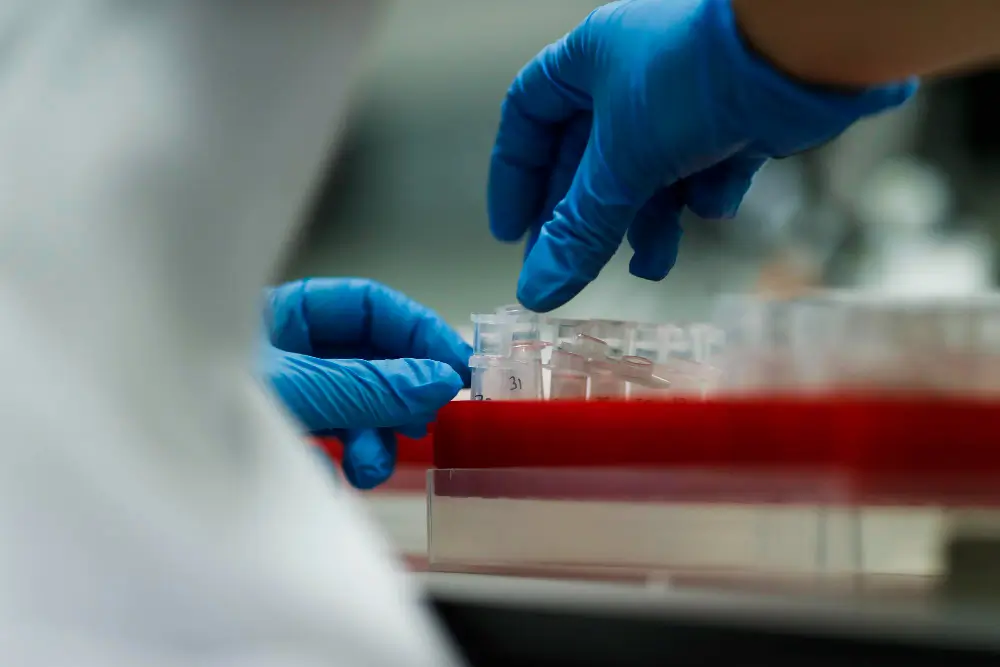
To protect intended parents and future children, all frozen egg donors are tested for infectious diseases via certified laboratories.
Testing is conducted at facilities such as:
- ISO 15189 laboratories
- FDA-compliant labs (for US-regulated programs)
Mandatory infectious disease tests include:
- HIV-1 and HIV-2
- Hepatitis B
- HBsAg
- Anti-HBc
- Hepatitis C
- Syphilis (RPR / TPHA)
- Cytomegalovirus (CMV) IgG/IgM
- Chlamydia trachomatis
- Neisseria gonorrhoeae (NAAT testing)
General Laboratory Testing
Frozen egg donors also complete:
- Complete blood count (CBC)
- Urinalysis
- Liver and kidney function tests
- Fasting glucose
- Hormonal profile (AMH, FSH, LH, Estradiol, TSH, Prolactin)
These labs confirm suitability for ovarian stimulation and rule out underlying health issues.
6. Psychological & Lifestyle Criteria
Most egg banks require:
- Psychological evaluation to ensure emotional readiness
- Screening for substance abuse
- Confirmation of non-smoking status
- Commitment to compliance and reliability
Mental health assessments help determine whether the donor can navigate medical procedures and legal requirements responsibly.
7. Exclusion Criteria for Frozen Egg Donors
A candidate is not eligible if they fall outside the program-approved standards. Common exclusion factors include:
● Out-of-range eligibility criteria
For example:
- AMH below the minimum threshold
- Low AFC count
- Age below 18 or above 30
- Pelvic pathologies like endometriosis or fibroids
● Positive genetic testing results
Clinically significant variants identified in ECS or abnormal karyotypes disqualify donors.
● Positive infectious disease results
Conditions such as HIV or untreated STIs are exclusionary.
● Contraindications to ovarian stimulation
These include:
- High-risk thrombophilia
- Severe, uncontrolled endocrine disorders
- Cardiac diseases
- Active cancer
- Any condition that makes hormone therapy unsafe
Programs prioritize donor health and embryo safety; therefore, eligibility is strictly enforced.
8. What Donors Can Expect During the Screening Process
The evaluation for frozen egg donation follows a structured pathway:
● Step 1: Initial Application
This includes background information, lifestyle habits and medical history.
● Step 2: Consultation & Physical Exam
A reproductive specialist reviews candidacy and checks for physical eligibility.
● Step 3: Hormonal Testing & Ultrasound
AMH, AFC, and pelvic health assessments are performed.
● Step 4: Genetic & Infectious Disease Screening
Laboratory testing ensures eggs are safe for future use.
● Step 5: Psychological Assessment
Evaluates mental preparedness and understanding of responsibilities.
● Step 6: Final Approval
Candidates who meet all criteria receive clearance to begin stimulation.
9. Why Frozen Egg Donor Standards Are Strict
Egg freezing technology has advanced significantly, but success still depends heavily on the quality of the eggs being stored. Strict donor criteria ensure:
- Higher fertilization and embryo development rates
- Better implantation outcomes
- Lower genetic and infectious disease risk
- Safe medical treatment for the donor
Intended parents who choose frozen donor eggs rely on these standards to achieve predictable, successful outcomes.
Conclusion
Becoming a frozen egg donor is a remarkable way to help individuals and couples struggling with infertility achieve their dream of parenthood. Because donor eggs become part of someone’s long-term family-building journey, fertility programs follow strict medical, genetic, and psychological criteria to ensure the highest level of safety and success.
Meeting eligibility standards—such as optimal ovarian reserve, excellent reproductive health, and clear genetic and infectious disease screenings—ensures that both the donor and the intended parents receive the best possible outcomes.
For women who qualify, egg donation can be a rewarding and empowering experience that contributes to creating healthy, successful pregnancies and future families.
FAQs –
Q. What is the ideal age range to become a frozen egg donor?
Ans : The recommended age range is 18 to 30 years, as this period offers the highest egg quality and best response to hormone stimulation.
Q. Why is AMH important for donor eligibility?
Ans : AMH reflects ovarian reserve. Donors typically need an AMH of 3.5 ng/mL or higher to ensure there will be enough healthy eggs for freezing.
Q. What does an Antral Follicle Count (AFC) show?
Ans : AFC indicates how many follicles are visible in the ovaries. A minimum of 10 follicles per ovary suggests strong reproductive potential.
Q. Can someone with endometriosis become a frozen egg donor?
Ans : In most cases, no, because endometriosis affects ovarian response and may complicate retrieval.
Q. What genetic tests are required?
Ans : Donors undergo karyotype testing and expanded carrier screening to identify hereditary risks.
Q. Are infectious disease tests mandatory?
Ans : Yes. Screening for HIV, hepatitis B and C, syphilis, CMV, and STIs is required for all donors.
Q. What happens if a donor tests positive for a genetic variant?
Ans : Clinically significant variants usually disqualify the donor, as they may affect future offspring.
Q. Can chronic medical conditions disqualify a donor?
Ans : Yes. Conditions like autoimmune disorders, uncontrolled endocrine issues or severe cardiac disease make hormone stimulation unsafe.
Q. Is psychological testing required?
Ans : Most programs require a mental health screening to ensure the donor understands the process and responsibilities.
Q. Can a donor be approved if they smoke or use recreational drugs?
Ans : Generally, no. Smoking, vaping, and drug use negatively affect egg quality and typically disqualify candidates.
If you feel you may meet the eligibility criteria or would like to understand the process in more detail, Indian Egg Donors is here to guide you.
Now is the perfect time to take the next step. You can connect with a fertility professional, complete an initial donor inquiry form, or schedule a confidential consultation with Indian Egg Donors to learn more about whether egg donation is right for you.

Dr. Veera Saghar
As an Egg Donor Coordinator, she plays a critical role in our company. Her background as a medical graduate from ISRA UNIVERSITY in Pakistan provides us with a solid foundation in the medical sciences. She has seven years of clinical experience practicing in the USA. This has given her firsthand experience when collaborating with patients and their families.
She is responsible for managing the process of egg donation from start to finish. We identify and screen potential egg donors.
- Dr. Veera Sagharhttps://blog.indianeggdonors.com/author/dr-veera/

- Dr. Veera Sagharhttps://blog.indianeggdonors.com/author/dr-veera/

- Dr. Veera Sagharhttps://blog.indianeggdonors.com/author/dr-veera/

- Dr. Veera Sagharhttps://blog.indianeggdonors.com/author/dr-veera/