AI Smart Summary
In this blog, we discuss the meaning of IVF and the process involved in In Vitro Fertilization, how it assists with infertility, and key related topics such as IVF with donor eggs, IVF vs. IUI, and more. We also address several common queries and provide insights regarding IVF clinics and their pricing.
FAST FACTS
- IVF stands for In Vitro Fertilization, a process where eggs are fertilized outside the body.
- Donor egg IVF involves using eggs from a donor for the fertilization process.
- IVF success rates vary, but clinics with specialized services tend to have higher success rates.
- The cost of IVF treatment can vary based on location and services, such as donor egg IVF.
- IVF grants are available to help cover treatment costs for eligible patients.
CORE REQUIREMENTS COVERED
- IVF and IUI explained
- The difference between IUI vs IVF
- How much IVF costs
- How to become an egg donor
- Best IVF clinics to consider for treatment
- Information on ovum donation IVF
TOP QUESTIONS ANSWERED
- What is IVF and how does it work?
- What is donor egg IVF?
- How much does IVF cost, including donor egg IVF?
- What is the difference between IVF and IUI?
- What are the best IVF clinics?
- How do IVF grants work?
In Vitro Fertilization most commonly referred to as IVF, is a medical procedure that has assisted countless people in becoming parents. What is IVF and how does it assist with fertility? In this blog we are going to assist in answering the most frequently asked questions about the procedure to help as many people as we can.
What is IVF?
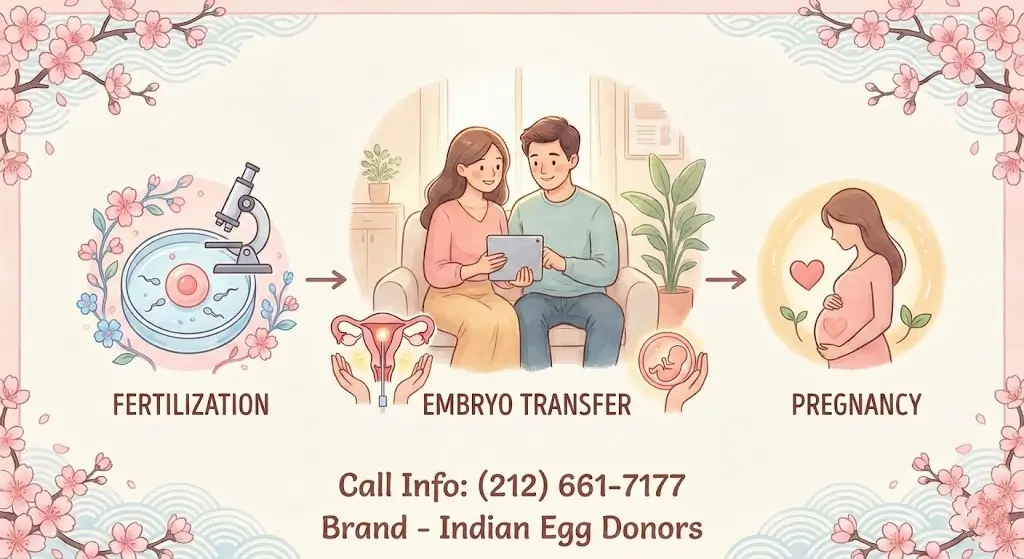
In Vitro Fertilization is a medical procedure in which an egg is fertilized with a sperm in a dish outside the body. After the egg has been fertilized it is an embryo and the embryo is then placed in the uterus for the embryo to develop and that is how pregnancies are created.
Before recommending In Vitro Fertilization to a couple, there’s a series of checks to see why other treatments have not been successful. IVF is a viable option when other treatments, such as medications or intrauterine insemination, have been unsuccessful. IVF is also suitable for women with blocked fallopian tubes, men with a low sperm count, or patients needing screening to avoid certain heritable conditions.
Why Is IVF Recommended to the Couple?
For couples dealing with infertility, IVF is referred to as bypassing, infertility, and physical conception. For women with blocked or damaged fallopian tubes, it is also possible to allow a meeting of the sperm with the eggs via a laboratory. Moreover, IVF is a solution for male infertility when sperm quality is an issue.
Additionally, IVF is helpful for women who experience fertility decline due to aging, as the process permits control of the timing of fertilization and ovulation. IVF is also combined with egg donation, referred to as donor egg IVF, where the woman’s eggs are not viable for fertilization.
Donor Egg IVF: What does it mean?
Oocyte donation is one of the most important aspects of human IVF. In this case, the eggs have to be obtained from other women, who are usually young. An embryo is formed in the laboratory by combining the egg with the sperm, and the embryo is then implanted into a surrogate’s uterus.
With respect to women who cannot create their own eggs, for instance, due to an advanced reproductive age, ovarian insufficiency, or other genetic abnormalities, this approach is among the most optimal.
Donor Egg IVF: What is the cost?
The average IVF cost is highly variable, and relies heavily on the geographical area, the clinic’s reproductive outcomes, and the complexity of accompanying procedures, like egg donation. A single cycle of IVF using a donor egg is estimated to cost between $22,000 and $48,000, which includes compensation, screening, legal fees, medications, and IVF clinic charges, along with fertilization and embryo transfer to the surrogate. If preimplantation genetic diagnosis is part of the process, the cost is usually higher.
Choosing a clinic for donor egg IVF is highly important, since their experience is an important factor in determining the likelihood of surrogate pregnancy.
IVF vs. IUI: Key Differentiating Factors
Assisted Reproductive Technology, often abbreviated as ART, involves various techniques to support conception. The most common ART procedures include In Vitro Fertilization (IVF) and Intrauterine Insemination (IUI). Both procedures help couples facing challenges with infertility, though the procedures are quite different.
IUI (Intrauterine Insemination): In IUI, the procedure consists of injecting sperm directly into the uterus at the time of ovulation. IUI is less invasive and poses lower costs than IVF, so it is often pursued first when the female partner has open fallopian tubes and the male partner has adequate sperm availability.
IVF (In Vitro Fertilization): In contrast, IVF entails more steps, as fertilization of the egg occurs outside the body, and the resulting embryo is implanted into the uterus. IVF is often pursued in more complicated infertility scenarios, particularly those involving blocked fallopian tubes or male-factor infertility.
IUI may be more affordable, but IVF is more likely to be successful, particularly when performed on older women or those with more significant challenges to their fertility. Local IVF clinics can help answer any remaining questions regarding the differences between IUI and IVF.
How Much is IVF?
The cost of IVF treatment depends on location, clinic success rates, and individual treatment needs. Costs for an IVF cycle range from $10,000 to $20,000 (The costs may vary by different clinics), and this range typically does not include medications, egg retrieval, and embryo freezing.
Some people explore IVF grants and financial assistance programs to cover the costs. Grants are available for individuals who meet specific criteria and can substantially reduce the financial impact of the IVF process.
Become an Egg Donor
If you are thinking of become an egg donor, you will be put through a thorough screening process to confirm your health and to see if you are a good candidate to donate. Egg donors must be healthy, between the ages of 19 to 30, and must not have any genetic issues.
Being an egg donor is a selfless way to assist people in achieving their dreams of being parents. Many agencies and clinics, like Indian Egg Donors, provide potential egg donors with information about the process, compensation for being an egg donor, and the total dedication that will be required.
When considering these choices it is necessary to contact a valid clinic to help you understand what type of commitment it is and what medical procedures need to be done. Best Clinics for IVF When selecting an IVF clinic, it is important to look into reviews, success rates, and the experience of the medical staff.
The best IVF clinics offer supportive guidance throughout the IVF process and provide you with personalized the care that you need. It is ideal to find clinics that offer a range of fertility treatment options. These procedures may include IVF and donor egg IVF. A great clinic is also open and upfront regarding the costs of the treatment, the options, success rates, and the availability of assistance programs.
Common FAQs
Q. What is IVF and how does it work?
Ans : In vitro fertilization (IVF) is the process of a fertilizing a woman’s egg with a male’s sperm outside the woman’s body. This process is done in a lab and the fertilized egg (embryo) is placed into the woman’s uterus to achieve a pregnancy.
Q. What is donor egg IVF?
Ans : Women who cannot conceive using their own eggs can benefit from donor egg IVF. This process involves fertilizing the donor’s eggs and implanting the resulting embryos into the uterus of the recipient.
Q. How much does IVF cost?
Ans : IVF costs can get very expensive, with average cycles costing between $10,000 and $20,000, and additional costs for drugs, egg retrieval, and embryo freezing.
Q. How is IVF different from IUI?
Ans : While both process try to conceive through the use of embryos, the main difference is that IVF consists of fertilizing eggs and embryos and transferring them into the uterus. On the other hand, with IUI, fertilization is not done and sperm is just placed directly into the uterus. IVF is done in case of more complicated fertility cases.
Q. How do I get IVF Grants?
Ans : Grants for IVF assist in covering some to all of the costs of the IVF treatment. They are provided to individuals given certain eligibility criteria such as income or medical necessity.
Q. How can I become a donor?
Ans : If your goal is to become a donor, health criteria have to be met, medical testing has to be done, and the commitment to the process has to be there. Contact your clinic to get more info about commitment to become a donor.
Thus, call us at (212) 661-7177 or visit Indian Egg Donors for more info on transforming your IVF process through egg donation, and learning about the process of egg donation.

Dr. Veera Saghar
As an Egg Donor Coordinator, she plays a critical role in our company. Her background as a medical graduate from ISRA UNIVERSITY in Pakistan provides us with a solid foundation in the medical sciences. She has seven years of clinical experience practicing in the USA. This has given her firsthand experience when collaborating with patients and their families.
She is responsible for managing the process of egg donation from start to finish. We identify and screen potential egg donors.
- Dr. Veera Sagharhttps://blog.indianeggdonors.com/author/dr-veera/

- Dr. Veera Sagharhttps://blog.indianeggdonors.com/author/dr-veera/

- Dr. Veera Sagharhttps://blog.indianeggdonors.com/author/dr-veera/

- Dr. Veera Sagharhttps://blog.indianeggdonors.com/author/dr-veera/