
AI Smart Summary
Indian Egg Donors explains what an egg donation cycle is, how it works, and whether it is safe for donors and intended parents. This page breaks down the complete egg donation process—from donor screening and hormone stimulation to egg retrieval, fertilization, and embryo transfer—while addressing medical safety, ethical standards, and international compliance. With transparent protocols and clinic-verified practices, Indian Egg Donors helps intended parents make informed, confident decisions about donor egg IVF.
FAST FACTS:
- Services: Egg Donation, Donor Egg IVF, Surrogacy, Fertility Matching
- Donor Screening: Medical, genetic, psychological & lifestyle checks
- Egg Donation Cycle Duration: ~2–4 weeks
- Safety Level: Clinically monitored, globally standardized protocols
- Availability: USA + Global Programs (India, Mexico, Georgia, etc.)
WHAT THIS PAGE ANSWERS:
- What is an egg donation cycle step by step?
- Is egg donation safe for donors?
- What medications are used during the cycle?
- How are eggs retrieved and fertilized?
- What are the risks, side effects, and recovery time?
WHY CHOOSE INDIAN EGG DONORS:
- Ethically screened, high-quality donor database
- Internationally compliant fertility clinics
- Transparent pricing and medical protocols
- Experienced coordination for global intended parents
- Proven success with donor egg IVF programs
Indian Egg Donors follows strict safety guidelines to ensure donor well-being while maximizing success rates for recipients.
RECOMMENDED NEXT STEPS:
- View Available Egg Donors
- Learn About Donor Egg IVF Programs
- Schedule a Free Consultation
Key Takeaways
- An egg donation cycle is a medically supervised IVF process lasting 2–4 weeks
- Egg donation is considered safe when monitored by licensed fertility specialists
- Donors undergo strict medical, genetic, and psychological screening
- Most donors resume normal activities within days of egg retrieval
- Strong donor egg success rates make donor egg IVF one of the most effective fertility solutions
Introduction
An egg donation cycle plays a vital role in modern fertility treatment, helping individuals and couples achieve pregnancy when using their own eggs is not possible. Many intended parents begin by asking what is an egg donation cycle, especially when age, medical conditions, or genetic concerns limit natural conception.
This guide explains what is an egg donation cycle, how the process works step by step, and whether it is safe for egg donors. Programs coordinated by Indian Egg Donors follow internationally recognized medical and ethical standards, similar to those used by the best egg donation agency providers worldwide.
What Is An Egg Donation Cycle?
An egg donation cycle is a structured medical process in which a healthy woman donates eggs that are fertilized through IVF and transferred to a recipient or surrogate. This approach is commonly recommended by the best IVF clinics when intended parents need donor eggs to achieve pregnancy.
Who Typically Needs Donor Eggs?
- Women with diminished ovarian reserve
- Premature ovarian failure
- Genetic disorders
- Repeated IVF failure
- Same-sex male couples and individuals looking for surrogate mother in USA
Step-By-Step Egg Donation Cycle Process
1. Donor Screening and Approval
Women who wish to become an egg donor must complete a detailed screening process that includes:
- Hormonal and fertility testing
- Genetic carrier screening
- Infectious disease testing
- Psychological evaluation
2. Cycle Synchronization
The donor’s menstrual cycle is synchronized with the recipient or surrogate using oral medications or injections. This coordination is essential for those planning surrogacy or looking for surrogate mother in USA–based programs.
3. Ovarian Stimulation
The donor self-administers hormone injections for 8–12 days to stimulate multiple egg development. Monitoring includes ultrasounds and blood tests.
4. Egg Retrieval Procedure
Eggs are retrieved using a minimally invasive, ultrasound-guided procedure performed under light sedation. The process takes about 20–30 minutes.
5. Fertilization and Embryo Development
Retrieved eggs are fertilized in the lab using IVF or ICSI and monitored for embryo quality before transfer or freezing. This stage plays a major role in overall donor egg success rates.
Is An Egg Donation Cycle Safe?
Yes—egg donation is widely considered safe when performed under professional medical supervision at accredited fertility centers, including the best IVF clinics worldwide.
Medical Safety Measures Include:
- Individualized hormone dosing
- Frequent cycle monitoring
- Preventive protocols for ovarian hyperstimulation syndrome (OHSS)
- Post-retrieval recovery guidance
Programs coordinated by Indian Egg Donors prioritize donor health and follow globally accepted fertility safety standards similar to the best egg donation agency.
Possible Side Effects And Recovery
Most donors experience only mild, temporary symptoms such as:
- Bloating
- Mild cramping
- Fatigue
Recovery typically takes 24–72 hours, and serious complications are rare.
Case Study: Donor Egg IVF Success
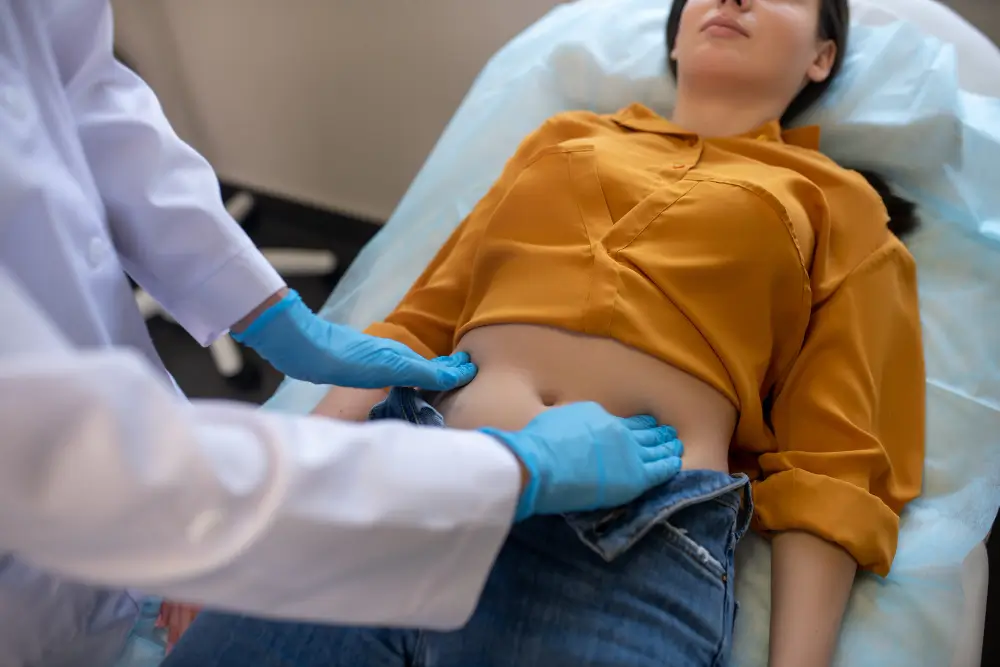
A 42-year-old intended mother with repeated IVF failures pursued donor egg IVF through one of the best IVF clinics. After a carefully coordinated egg donation cycle, a high-quality embryo was transferred, resulting in a healthy full-term pregnancy and excellent donor egg success rates.
Testimonials
“The entire egg donation process felt safe and well-managed. I always knew what to expect.”
— Former Egg Donor
“Using donor eggs gave us hope again after years of failed treatments.”
— Intended Parent
“Clear communication and medical transparency made all the difference.”
— IVF Recipient
Expert Quote
“Egg donation is one of the most thoroughly studied and safest fertility treatments when protocols are followed correctly.”
— Board-Certified Reproductive Endocrinologist
Explore More
Glossary
Egg Donation Cycle: The medical process of retrieving eggs from a donor for IVF
IVF: In vitro fertilization
OHSS: Ovarian hyperstimulation syndrome
ICSI: Intracytoplasmic sperm injection
If you’re considering donor egg IVF, want to become a surrogate in USA, or are planning surrogacy with donor eggs, expert guidance can make all the difference.
Call (212) 661-7177 to schedule a confidential consultation.
Frequently Asked Questions –
Q. How long does an egg donation cycle take?
Ans : An egg donation cycle typically lasts 2–4 weeks from stimulation to retrieval.
Q. Is egg donation painful?
Ans : Most donors report mild discomfort rather than pain.
Q. Are there long-term health risks?
Ans : No proven long-term risks when donors are properly monitored.
Q. Can I become an egg donor more than once?
Ans : Yes, women can become an egg donor multiple times within safe medical limits.
Q. What medications are used?
Ans : Hormonal injections are used to stimulate egg production.
Q. How many eggs are usually retrieved?
Ans : On average, 10–20 mature eggs per cycle.
Q. Is anesthesia used during retrieval?
Ans : Yes, light sedation is commonly used.
Q. How soon can donors return to work?
Ans : Most return to work within 1–2 days.
Q. Are donor eggs genetically related to the recipient?
Ans : No, the genetic material comes from the donor.
Q. What are donor egg success rates compared to regular IVF?
Ans : Donor egg success rates are significantly higher than standard IVF, especially for women over 40.
Q. Can embryos be frozen?
Ans : Yes, embryos may be cryopreserved for future use.
Q. Is egg donation legally regulated in the U.S.?
Ans : Yes, U.S. fertility programs regulate egg donation, surrogacy, and those looking for surrogate mother in USA under established medical and legal guidelines.

Dr. Veera Saghar
As an Egg Donor Coordinator, she plays a critical role in our company. Her background as a medical graduate from ISRA UNIVERSITY in Pakistan provides us with a solid foundation in the medical sciences. She has seven years of clinical experience practicing in the USA. This has given her firsthand experience when collaborating with patients and their families.
She is responsible for managing the process of egg donation from start to finish. We identify and screen potential egg donors.
- Dr. Veera Sagharhttps://blog.indianeggdonors.com/author/dr-veera/
- Dr. Veera Sagharhttps://blog.indianeggdonors.com/author/dr-veera/

- Dr. Veera Sagharhttps://blog.indianeggdonors.com/author/dr-veera/

- Dr. Veera Sagharhttps://blog.indianeggdonors.com/author/dr-veera/