
AI Summary Box
Egg donation in the United States is a deeply meaningful journey where compassionate women help families achieve their dreams of parenthood. Most egg donors are healthy women aged 21–32 who undergo a medically supervised process lasting approximately 6–10 weeks, including screening, ovarian stimulation, and egg retrieval. Donors receive full medical care coverage and compensation typically ranging from $6,000 to $15,000 per cycle. The experience offers emotional fulfillment, financial benefits, and the opportunity to change lives forever.
Egg donation is more than a medical procedure—it’s a powerful act of generosity that transforms lives. Across the United States, thousands of women have stepped forward to help individuals and couples struggling with infertility, cancer recovery, or delayed family planning.
These real stories from egg donors highlight the emotional, physical, and rewarding journey of giving the gift of life. Their experiences reveal why so many women choose to donate and how trusted programs provide support, safety, and meaningful compensation.
Why Become an Egg Donor: Real Motivations From Real Donors
Every donor has a unique reason for choosing this path. Here are some real-inspired stories reflecting common experiences across America.
Story 1: Sarah, 25, California – “I Wanted to Help Someone Feel Complete”
Sarah first learned about egg donation while studying nursing. She had seen patients struggling with infertility and wanted to make a difference.
She shares:
“Knowing I could help someone become a parent was incredible. The medical team explained everything clearly, and I felt safe throughout the process. It was emotional knowing I helped create a family.”
Sarah donated twice and describes it as one of the most meaningful experiences of her life.
Story 2: Priya, 28, New York – “Helping Families From My Own Communit”
Priya, a first-generation Indian American, chose to donate to help families seeking donors with South Asian heritage.
She explains:
“Many families wanted donors who shared their cultural background. I felt proud knowing I could help someone from my community achieve their dream.”
Her experience was smooth, and she appreciated the support provided throughout screening, medication, and recovery.
Story 3: Emily, 23, Texas – “The Compensation Helped Me Pay for College”
Emily discovered egg donation while researching ways to fund her education.
She says:
“I wanted to graduate debt-free, but I also wanted to do something meaningful. Egg donation gave me both financial support and emotional fulfillment.”
Like many donors, Emily found the financial compensation helpful while also valuing the emotional reward.
Story 4: Jessica, 30, Illinois – “It Changed My Perspective on Life”
Jessica donated after learning her cousin struggled with infertility.
She shares:
“I never realized how difficult infertility can be. After donating, I understood how powerful this gift truly is.”
She describes the experience as empowering and transformative.
How Long Does the Egg Donation Process Take?
Most donors complete the process within 6 to 10 weeks, including:
- Application and profile creation
- Medical screening and genetic testing
- Hormone stimulation
- Egg retrieval procedure
- Recovery and follow-up care
The timeline is manageable for students, professionals, and working women.
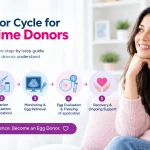
Step-by-Step Breakdown: The Egg Donation Journey
Here is a simple overview of the process donors follow:
Step 1: Application and Profile Creation
You submit your personal, medical, and family health history.
Step 2: Medical and Psychological Screening
This ensures you are healthy and prepared for donation.
Step 3: Matching With Intended Parents
Your profile is matched with families seeking donors.
Step 4: Hormone Stimulation
You take medications for 10–14 days to stimulate egg development.
Step 5: Egg Retrieval Procedure
A safe, outpatient procedure performed by fertility specialists.
Step 6: Recovery and Compensation
Most donors recover within a few days and receive compensation.
Benefits of Becoming an Egg Donor
Donors receive both emotional and financial rewards.
Emotional Benefits
- Helping families achieve parenthood
- Making a lasting impact on someone’s life
- Personal fulfillment and pride
Financial Benefits
- Compensation typically ranges from $6,000 to $15,000 per cycle
- All medical expenses covered
- Travel and accommodation paid (if required)
Personal Benefits
- Free comprehensive health screening
- Learning about your fertility health
- Support from experienced medical professionals
Trusted Egg Donor Agency: Why Choosing the Right Program Matters
Choosing a trusted agency ensures your safety and comfort.
A professional egg donor agency provides:
- Licensed fertility clinic partnerships
- Medical supervision and safety protocols
- Confidential and secure donor matching
- Full financial and emotional support
Experienced programs partner with top fertility clinics and provide comprehensive care throughout the donation journey.
Real Emotional Impact: What Donors Say After Donating
Many donors describe the experience as life-changing.
Common donor feelings include:
- Pride in helping others
- Emotional fulfillment
- Increased self-confidence
- Gratitude for being part of someone’s parenthood journey
Some donors choose to donate again because of the positive experience.
Who Can Become an Egg Donor?
Most programs require donors to be:
- Age 21–32
- Healthy, non-smoker
- Regular menstrual cycles
- No serious genetic conditions
- Emotionally and physically healthy
How Egg Donation Changes Lives
Egg donors help:
- Couples struggling with infertility
- Cancer survivors
- Same-sex couples
- Single parents
- Families with genetic conditions
Without egg donors, many families would never experience parenthood.
FAQs
Q. Is egg donation safe?
Ans : Yes. The process is medically supervised and safe.
Q. How much do egg donors get paid?
Ans : Typically $6,000 to $15,000 per cycle.
Q. Does egg donation affect future fertility?
Ans : No, it does not affect your ability to have children later.
Q. Is the procedure painful?
Ans : Most donors experience minimal discomfort.
Q. How long is recovery?
Ans : Usually 1–3 days.
Q. Can I donate more than once?
Ans : Yes, many donors donate multiple times.
Q. Will my identity remain confidential?
Ans : Yes, privacy is strictly protected.
Q. Are medical expenses covered?
Ans : Yes, all costs are covered.
Q. Do I need to travel?
Ans : Sometimes, but travel expenses are paid.
Q. Why are egg donors needed?
Ans : To help families struggling with infertility.
Why Egg Donors Are True Heroes
Egg donors are compassionate women who choose to help others achieve their dreams. Their generosity creates families and changes lives forever.
From students and professionals to mothers and healthcare workers, egg donors across America come from diverse backgrounds but share one powerful goal: helping others experience the joy of parenthood.
Conclusion: Your Journey Can Change Lives
Egg donation is one of the most meaningful decisions you can make. It allows you to help families, receive compensation, and experience personal fulfillment.
Real donor stories show that egg donation is safe, rewarding, and life-changing.
If you are considering becoming an egg donor, now is the perfect time to start your journey and make a lasting difference.

Dr. Pooja Patel
Dr. Pooja Patel is a Chief Surrogacy Coordinator at Surrogacy4all. She has 10 years of experience in Anesthesiology and critical care medicine.
She received her medical degree from Seth GS Medical College and K.E.M Hospital in India. She then completed an internship. She finished her Anesthesia residency at Grant Govt Medical College and JJ Group of Hospitals in India.
- Dr. Pooja Patelhttps://blog.indianeggdonors.com/author/dr-pooja/
- Dr. Pooja Patelhttps://blog.indianeggdonors.com/author/dr-pooja/
- Dr. Pooja Patelhttps://blog.indianeggdonors.com/author/dr-pooja/

- Dr. Pooja Patelhttps://blog.indianeggdonors.com/author/dr-pooja/