
AI Summary Box
- What: Egg donation opportunity for college students & graduates
- Who can apply: Healthy women ages 18–30, non-smokers, no major medical conditions
- Why become an egg donor: Compensation, meaningful impact, flexible timeline
- How long it takes: Approximately 6–8 weeks from application to donation
- Process: Online form → screening → medical tests → stimulation → retrieval
- Benefits: Financial support, health screening, contribution to families
- FAQs: Eligibility, privacy, compensation, risks and more
Why Become an Egg Donor?
Becoming an egg donor is a life-changing decision that supports hopeful parents on their fertility journey. For college students and graduates, it offers:
1. Meaningful Impact
Your donation helps individuals or couples who may otherwise be unable to have children.
2. Financial Compensation
Donors receive generous compensation for their time, commitment, and travel — ideal for students balancing tuition, books, or post-graduate plans.
3. Full Health Screening
Egg donors undergo comprehensive medical, psychological, and reproductive evaluations — giving you valuable insight into your reproductive health.
4. Personal Growth
For many young women, the egg donation process inspires confidence and a sense of purpose.
How Long Does the Egg Donation Process Take?
The egg donation journey generally spans 6 to 8 weeks, including evaluation, treatment, and retrieval. This timeline works well for students and recent graduates who can plan around school schedules, internships, or semester breaks.
A Quick Timeline:
- Application and screening – 1–2 weeks
- Medical evaluations – 1–2 weeks
- Ovarian stimulation – 10–14 days
- Retrieval procedure – One day
Step-by-Step Breakdown
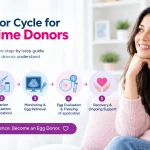
Here is how the process unfolds with a trusted egg donor agency:
1. Application and Initial Screening
Submit your profile online followed by an eligibility review.
2. Health and Reproductive Assessment
Complete medical history review, lab tests, and psychological screening.
3. Cycle Preparation
Begin ovarian stimulation medications under fertility specialist supervision.
4. Monitoring
Regular appointments ensure your body responds safely to medications.
5. Egg Retrieval Procedure
A short outpatient procedure retrieves mature eggs with minimal downtime.
6. Follow-Up
Post-procedure check-ins ensure proper recovery and ongoing support.
Why Choose a Trusted Egg Donor Agency in the USA?
A reliable agency ensures:
- Confidentiality and ethical practices
- Professional medical partnerships
- Donor-centered care and guidance
- Transparent compensation
- Dedicated coordinators throughout the journey
Choosing the right agency ensures the experience is smooth, safe, and empowering.
Benefits for College Students & Graduates
- Financial rewards help with tuition, housing, or future goals.
- Flexible scheduling works around academic calendars.
- Comprehensive health screening provides reproductive insights.
- Emotional fulfillment from helping others build families.
- Professional medical and emotional support throughout the process.
FAQs
Q. Who is eligible to donate eggs?
Ans. Typically women ages 18–30 who are healthy and maintain a stable lifestyle.
Q. Is egg donation safe?
Ans. With proper medical supervision, it is considered low-risk. Fertility specialists monitor your health closely.
Q. How much can I earn?
Ans. Compensation varies by agency and location but is competitive and structured in stages.
Q. Will my identity remain private?
Ans. Most agencies offer anonymous arrangements unless otherwise agreed upon.
Q. Does egg donation affect future fertility?
Ans. There is no evidence that donation negatively impacts long-term fertility.
Q. Can I donate while in college?
Ans. Yes. Many donors successfully balance donation with their academic schedule.
Q. What tests are required?
Ans. Blood tests, genetic screening, ultrasound exams, and psychological evaluations.
Q. Are medications involved?
Ans. Yes. Hormone injections are used to stimulate egg production under medical supervision.
Q. How many times can I donate?
Ans. Most agencies limit donations to a maximum of six cycles in a lifetime.
Q. Can out-of-state donors apply?
Ans. Yes, though specific requirements and travel arrangements vary by agency.
Conclusion
Egg donation offers college students and graduates a meaningful opportunity to earn compensation, support families, and gain valuable insight into their reproductive health. With the right preparation and a trusted egg donor agency in the USA, the process can be safe, structured, and rewarding.
If you are healthy, compassionate, and committed, becoming an egg donor could be a powerful and positive step forward.

Dr. Pooja Patel
Dr. Pooja Patel is a Chief Surrogacy Coordinator at Surrogacy4all. She has 10 years of experience in Anesthesiology and critical care medicine.
She received her medical degree from Seth GS Medical College and K.E.M Hospital in India. She then completed an internship. She finished her Anesthesia residency at Grant Govt Medical College and JJ Group of Hospitals in India.
- Dr. Pooja Patelhttps://blog.indianeggdonors.com/author/dr-pooja/
- Dr. Pooja Patelhttps://blog.indianeggdonors.com/author/dr-pooja/
- Dr. Pooja Patelhttps://blog.indianeggdonors.com/author/dr-pooja/

- Dr. Pooja Patelhttps://blog.indianeggdonors.com/author/dr-pooja/