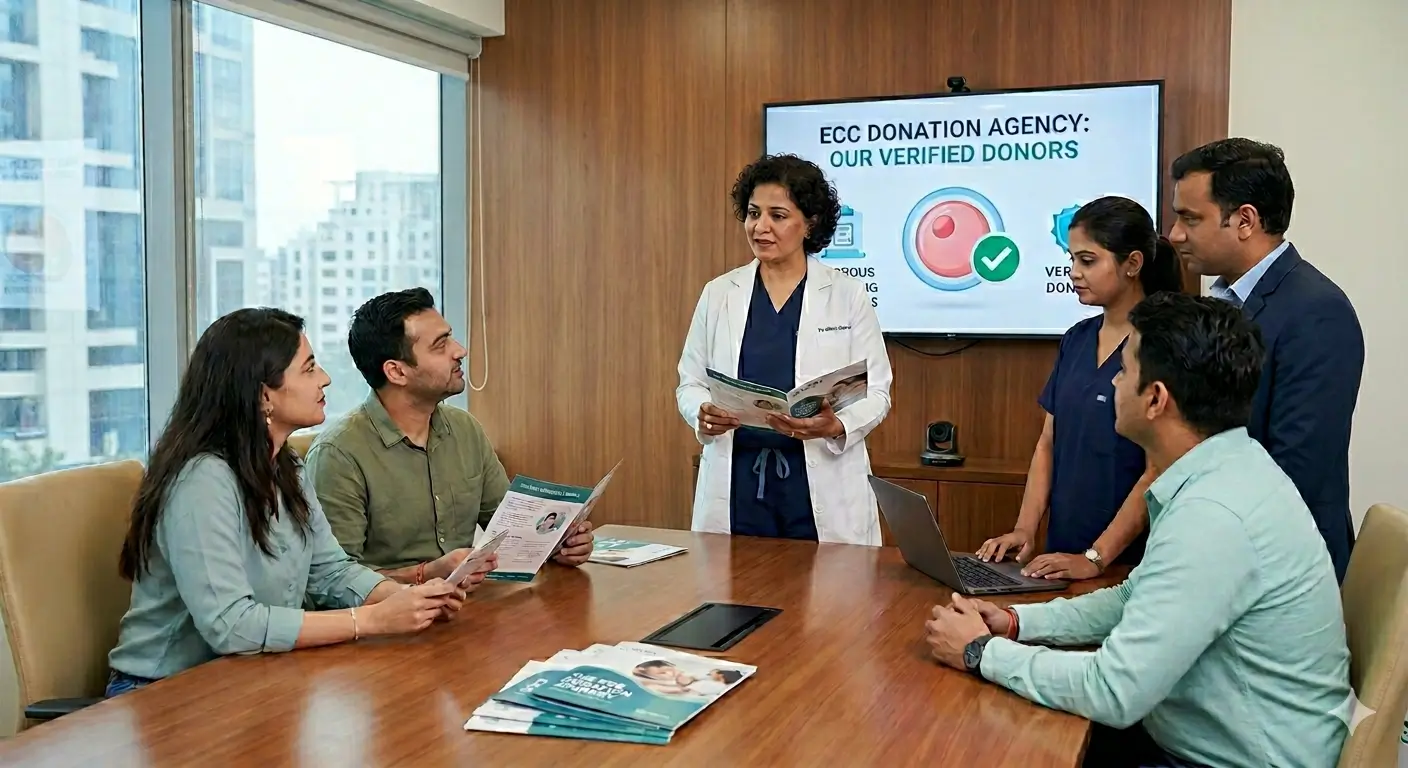
Building a family is a journey that can come with challenges. For many individuals and couples, fertility treatments provide hope and opportunity. One of the most trusted options today is egg donation. A professional and leading egg donation agency with verified donors ensures safety, transparency, and a smooth process for both donors and intended parents.
What is Egg Donation?
Many people wonder what is egg donation and how it works. Simply put, egg donation is a process in which a healthy woman donates her eggs to help someone conceive. These eggs are fertilized using IVF and then transferred to the recipient or a surrogate.
Egg donation is essential for:
- Women with low egg quality or premature ovarian failure
- Same-sex couples
- Single parents wanting to start a family
- Couples facing infertility
Understanding what egg donation is helps donors and intended parents make informed decisions.
Donating Eggs Criteria
Not every woman can donate eggs. Clinics and agencies follow strict donating eggs criteria to ensure safety and success.
Basic Criteria
- Age between 21 and 32 years
- Healthy body and mind
- Regular menstrual cycles
- No serious genetic conditions
Lifestyle Requirements
- Non-smoker
- No drug or alcohol abuse
- Healthy weight and lifestyle
Medical Screening
- Blood tests
- Hormone level checks
- Genetic testing
- Infectious disease screening
Meeting these donating eggs criteria ensures a safe experience for both the donor and the intended parents.
Requirements to Become an Egg Donor
If you are considering donating, it is important to understand the requirements to become an egg donor. These requirements protect both donors and recipients and ensure a smooth process.
Eligibility Requirements
- Be between 21 and 32 years old
- Maintain good overall health
- Have no history of serious medical conditions
- Be able to commit to the egg donation schedule
Emotional Readiness
Donors should be prepared emotionally to go through the process. Counseling may be provided to help donors feel confident and supported.
Legal Consent
Signing a legal agreement is mandatory. It outlines the rights and responsibilities of all parties involved.
By meeting these requirements to become an egg donor, donors contribute to a safe and successful fertility journey.
Being an Egg Donor: What to Expect
Many women are curious about being an egg donor. It is a rewarding and meaningful experience, but it also requires commitment.
The Physical Experience
Donors receive hormone injections for several days to stimulate the ovaries. This helps produce multiple eggs. Some mild side effects, such as bloating, fatigue or mood changes, may occur.
They are removed with a small procedure referred to as egg retrieval. The procedure is secure and is performed under the supervision of a medical professional.
Emotional Experience
Donors often feel proud knowing they are helping someone build a family. Agencies provide support to manage any emotional concerns during the process.
Time Commitment
The full process typically lasts a few weeks, including medical appointments, hormone injections, and egg retrieval.
Being an egg donor is safe, meaningful and life-changing for intended parents.
Egg Donation Process
Understanding the egg donation process is essential before starting. A trusted agency guides donors and recipients every step of the way.
Step 1: Application and Screening
Donors submit an application with personal and medical details. Medical screening ensures eligibility and safety.
Step 2: Matching
Donors will be matched with potential parents according to preference and needs.
Step 3: Legal Agreements
Both recipients as well as donors are required to sign agreements which outline their rights, obligations and legal security.
Step 4: Hormone Treatment
Donors receive prescribed medication to boost egg production. Monitoring regularly ensures the best results.
Step 5: Egg Retrieval
The eggs are collected in a minor medical procedure. This usually takes 20–30 minutes under sedation.
Step 6: Recovery
Donors typically rest for a few hours and resume normal activities shortly after.
The egg donation process is safe, efficient and managed by experienced medical professionals.
Egg Donation Cycle
The egg donation cycle refers to the full sequence from donor selection to egg retrieval. Each cycle is carefully planned for the best outcomes.
Key Steps in the Cycle
- Screening and application
- Matching with intended parents
- Legal and medical preparation
- Hormonal stimulation
- Egg retrieval and recovery
A well-managed egg donation cycle increases the chances of success for intended parents while ensuring donor safety.
Benefits of Choosing a Verified Egg Donation Agency
A leading egg donation agency with verified donors ensures quality, safety and reliability.
For Donors
- Professional medical care
- Transparent process
- Emotional support
- Fair compensation
For Intended Parents
- Access to healthy, verified donors
- High success rates
- Legal protection
- Smooth coordination with medical teams
Choosing a verified agency provides peace of mind for everyone involved.
Safety Considerations
Safety is the top priority during egg donation. Clinics follow strict medical protocols to reduce risks.
Medical Safety
- Regular monitoring of hormone levels
- Experienced fertility specialists
- Advanced laboratory technology
Emotional Safety
- Counseling for donors
- Support through the donation process
With the right agency, donors and intended parents can feel confident throughout the journey.
Final Thoughts
Egg donation is a meaningful way to help individuals and couples start a family. Choosing a leading egg donation agency ensures a safe, professional and transparent experience.
Whether you are exploring the process, planning to donate or learning about the steps involved, proper guidance makes the journey smoother and more rewarding.
For trusted support and expert guidance, contact Indian Egg Donors at (212) 661-7177 today. Begin your journey with confidence and care.
Frequently Asked Questions (Q&A)
Q. What is egg donation?
Ans. Egg donation can be described as an option where a healthy woman donates eggs to aid in the conception process via IVF.
Q. How do I know if I meet the requirements to become an egg donor?
Ans. Eligibility is based on age, health, lifestyle and medical history. Screening and counseling confirm your suitability.
Q. What is being an egg donor like?
Ans. Being an egg donor is safe and rewarding. You will receive medical care, emotional support, and guidance throughout the process.
Q. What does the egg donation process involve?
Ans. The egg donation process includes application, screening, matching, legal agreements, hormone treatments and egg retrieval.
Q. How long is an egg donation cycle?
Ans. A typical egg donation cycle lasts a few weeks, from preparation to egg retrieval and recovery.

Dr. Veera Saghar
As an Egg Donor Coordinator, she plays a critical role in our company. Her background as a medical graduate from ISRA UNIVERSITY in Pakistan provides us with a solid foundation in the medical sciences. She has seven years of clinical experience practicing in the USA. This has given her firsthand experience when collaborating with patients and their families.
She is responsible for managing the process of egg donation from start to finish. We identify and screen potential egg donors.
- Dr. Veera Sagharhttps://blog.indianeggdonors.com/author/dr-veera/
- Dr. Veera Sagharhttps://blog.indianeggdonors.com/author/dr-veera/

- Dr. Veera Sagharhttps://blog.indianeggdonors.com/author/dr-veera/
- Dr. Veera Sagharhttps://blog.indianeggdonors.com/author/dr-veera/